

Are your IP cameras secured?
Many organizations rely on IP security cameras to increase safety and deter threats. But your video devices can also be the source of potential vulnerabilities and cyber breaches.
Vulnerabilities usually arise because IP video cameras are not properly set up, or other priorities get in the way of maintaining their security.
Either way, these common oversights can expose your organization to threat actors. Below, we outline steps to keep your systems secure.
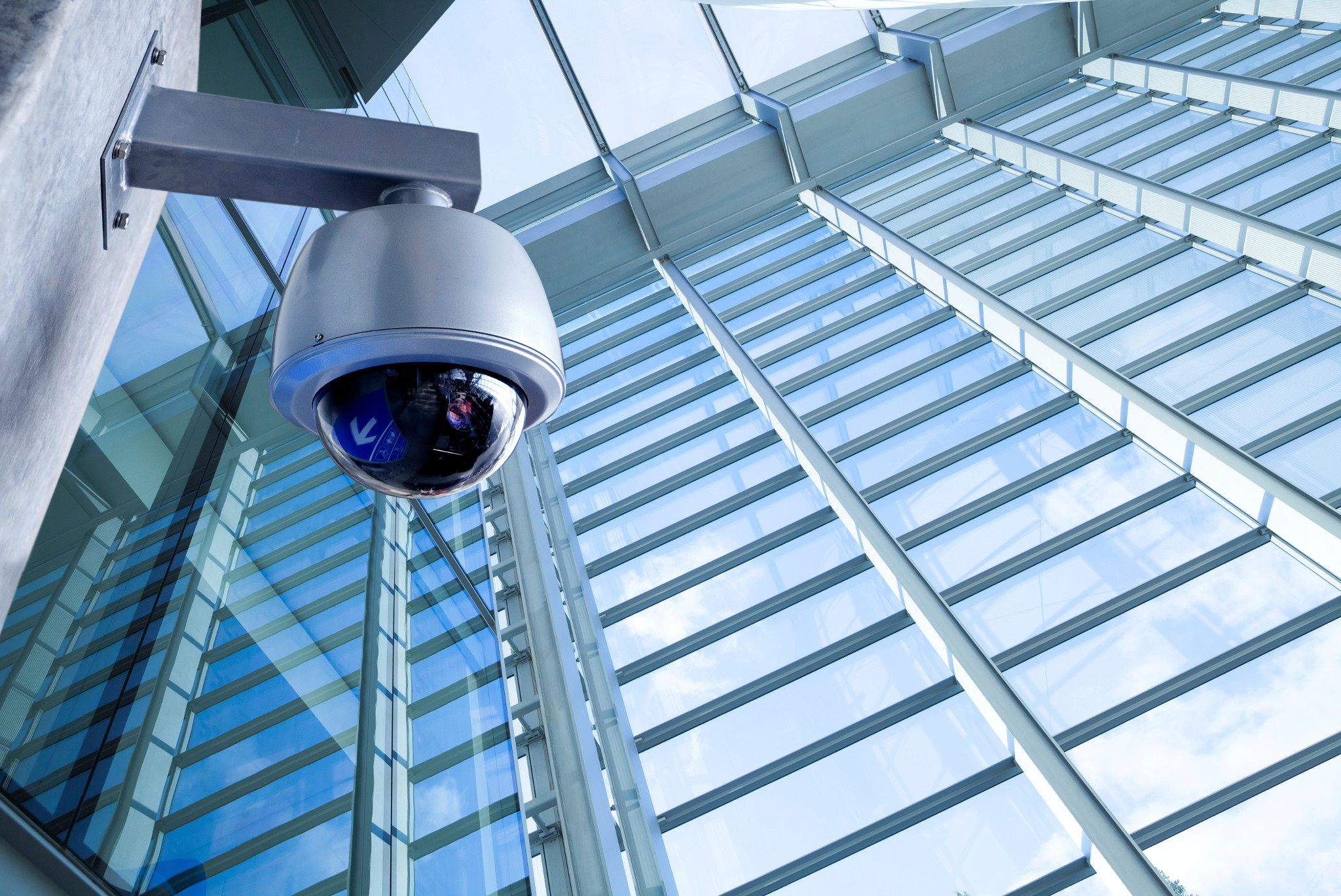
Why you need to secure IP cameras and work with trusted partners
According to our recent State of Physical Security 2026 report, cybersecurity is one of the biggest challenges facing organizations. As more IP cameras and IoT devices shift online, businesses everywhere are looking for new tools to help them defend against threats—in fact, we found that 37% of respondents are planning to launch cybersecurity projects in 2026, up from 24% the previous year.
That’s because cybercrime is accelerating fast. According to recent findings by Cybersecurity Ventures, cybercriminals cause $333,000 worth of harm every single second in 2025. The same report found that cybercrime is growing 37% year over year.
In another report on the IoT threat landscape, IT leaders regarded IoT devices, including IP cameras, as the most vulnerable component of their organizations’ security systems. According to the same research, 91% of security leaders say that manufacturers do a poor job of protecting their IoT devices from attack.
This is why it’s critical to choose IP video cameras from vendors you can trust to prioritize cybersecurity in their research and development.
Want to learn more about our approach to cybersecurity? Visit our trust center.

How keeping default passwords puts your security cameras at risk
As daunting as these statistics may seem, there could be a straightforward solution for vulnerable cameras: changing their default passwords.
Most cameras come with default manufacturer passwords, which become commonly known. If you connect them to the internet without changing that password, the footage could easily become exposed. When installing and configuring cameras, it’s important to change their default password to a secure one.
Depending on the manufacturer, some setup wizards will prompt you to change the password. Others will give you the option to skip this step entirely. It becomes your responsibility to configure strong passwords and update them regularly.
Why you need to schedule regular password and firmware updates
Securing your data and video shouldn’t stop there. Changing the password is a simple way to make sure your cameras don’t become accessible on common viewing sites, but you might still be susceptible to other strategic cyberattacks.
The “set it and forget it” mentality needs to go. To remain cyber resilient, you need to regularly update your device passwords, using new, robust combinations, every time. You also need to ensure your camera firmware is up to date. These firmware updates often include fixes and patches to address known vulnerabilities that help defend against evolving cybersecurity threats.
But that can become tricky. Scheduling password and firmware updates and resetting strong password combinations isn’t easy when you have other priorities.
To simplify things, Genetec™ Security Center features a built-in password manager. It lets you automatically generate strong, randomized device passwords that comply with the unique rules of supported manufacturers.
You can also configure the system to automatically update your IP camera passwords on a set schedule or in batches. Want a quick overview of the status of all your IP camera passwords? Easily visualize a live dashboard to monitor your system health and identify vulnerable devices.
Our firmware vault is another tool that alerts you when new IP camera firmware has been released. With a few clicks, you can download and distribute those updates to ensure you have the latest defense operations in place.
Both the password manager and firmware vault are available when you opt in to the Genetec Update Service (GUS).
Download hardening guides to reinforce cybersecurity
Our network of trusted technology partners has high cybersecurity standards. For example, leading device manufacturers Salient and Bosch Security have hardening guides with best practices for securing cameras.
To learn the best practices for securing your physical security system, be sure to read our own hardening guide. It walks you through simple steps to reset root passwords, adjust network settings, filter IP addresses, and more.
If you’re interested in learning more about how to secure your physical security systems, including communications, servers, and data, check out our cybersecurity resource page.
Explore feature sets of secure cameras
Packages and software options that fit every requirement