


Physical security: Trends for 2025
Want to know what the physical security industry trends are for 2025? Keep reading for our predictions.

In 2025, the physical security industry will focus on maximizing existing investments. The goal? To enhance security, increase efficiency, and boost collaboration between teams. And even though there’s excitement around deploying emerging technology, the main priorities will be investments in core technologies and cybersecurity.
Check out our top five physical security trends below.
REPORT
 |
Practicality will overcome hype |
Organizations are deploying the cloud more strategically in their environments. They’re finding the right balance and combining on-premises, edge, and cloud solutions wherever they fit best.
In 2025, decision-makers will put a bigger emphasis on hybrid systems. They’ll look for the best ways to centrally monitor remote sites from an on-premises headend system and reduce on-site maintenance work with lightweight, quick-to-deploy hybrid systems. This will let them modernize video or access control systems without scrapping their existing investments. Those with deployments that are fully in the cloud may want to optimize data processing and storage costs or facilitate broader third-party integrations by adding on-premises infrastructure.

Software as a service (SaaS) solutions offer flexibility—especially when they support hybrid deployments. But they don’t just let you mix cloud and on-prem solutions. Unified, open-architecture SaaS solutions let you connect sensors from a variety of manufacturers to a central system. That means seeing video, access control, intrusion, and intercom all in one interface. SaaS solutions can also help you connect your existing infrastructure to the cloud. Then, you can install new devices or spin up new sites at your own pace.
Cloud-managed appliances (or edge devices) will be key for organizations that want to bring their existing hardware to the cloud. They’ll save time deploying systems and save the costs of changing non-compatible cameras or access control hardware—making the transition to the cloud easier.
CHECKLIST
 |
AI will provide outcome-driven benefits |
The 2025 State of Physical Security Report indicates that 42% of respondents who work in the procurement, management, or use of physical security technology plan to deploy artificial intelligence (AI) in their security operations in the coming months.
When applied thoughtfully, AI-enabled security solutions can be game-changing. This is especially true when organizations start by identifying key operational challenges and then solve them through intelligent automation. Intelligent automation combines AI with an intuitive user experience (intuitive UX) to create automated solutions to real-world problems. The most effective implementations are anchored in responsible AI, ensuring technology is both ethical and transparent. This approach mitigates risks and enhances trust and compliance.
Physical security teams that integrate AI into their security systems will want to see outcome-driven benefits, like automated event detection using video analytics and streamlined emergency response dispatch. By using AI to filter and classify events for human assessment and helping identify process improvements, intelligent automation can transform data overload into actionable intelligence.
BLOG
 |
Organizations will prioritize data privacy |
The global average cost of a data breach hit $4.88 million in 2024. This—combined with the fact that 67% of organizations were impacted by industry regulations like NIS2, CCPA/CPRA, and GDPR in 2024—means organizations will continue to invest in data protection and industry compliance. However, not all physical security systems on the market are built to support these efforts.

When deploying new systems, IT and physical security teams will choose ones with built-in data protection and privacy tools and the latest certifications, such as SOC 2 Type II, ISO 27001, and ISO/IEC 27017. They’ll also look at cloud and hybrid solutions, which automatically push upgrades and fixes to their physical security system, including new cybersecurity and privacy features.
BLOG
 |
Cross-team collaboration will gain traction |
Our latest industry survey indicates that many organizations expect difficulty hiring qualified personnel in 2025. This could explain why deploying tools that help with data analysis and visualization and improve collaboration between teams ranked among the top five projects for 2025.
Organizations want to remove bottlenecks and ease stress for security teams. To do that, they’ll look for tools that empower people in IT, facilities, and human resources with greater information and autonomy.
Work management software can help with cross-team collaboration. By centralizing information, it improves communication around work dispatching and makes it easier to manage resources, reports, and audits. Digital evidence management tools also make it easy for teams to collect and manage evidence when collaborating on investigations.
Tools that help teams take initiative to get projects done will boost productivity and output across organizations.
BROCHURE
 |
Stakeholders will demand more from service providers |
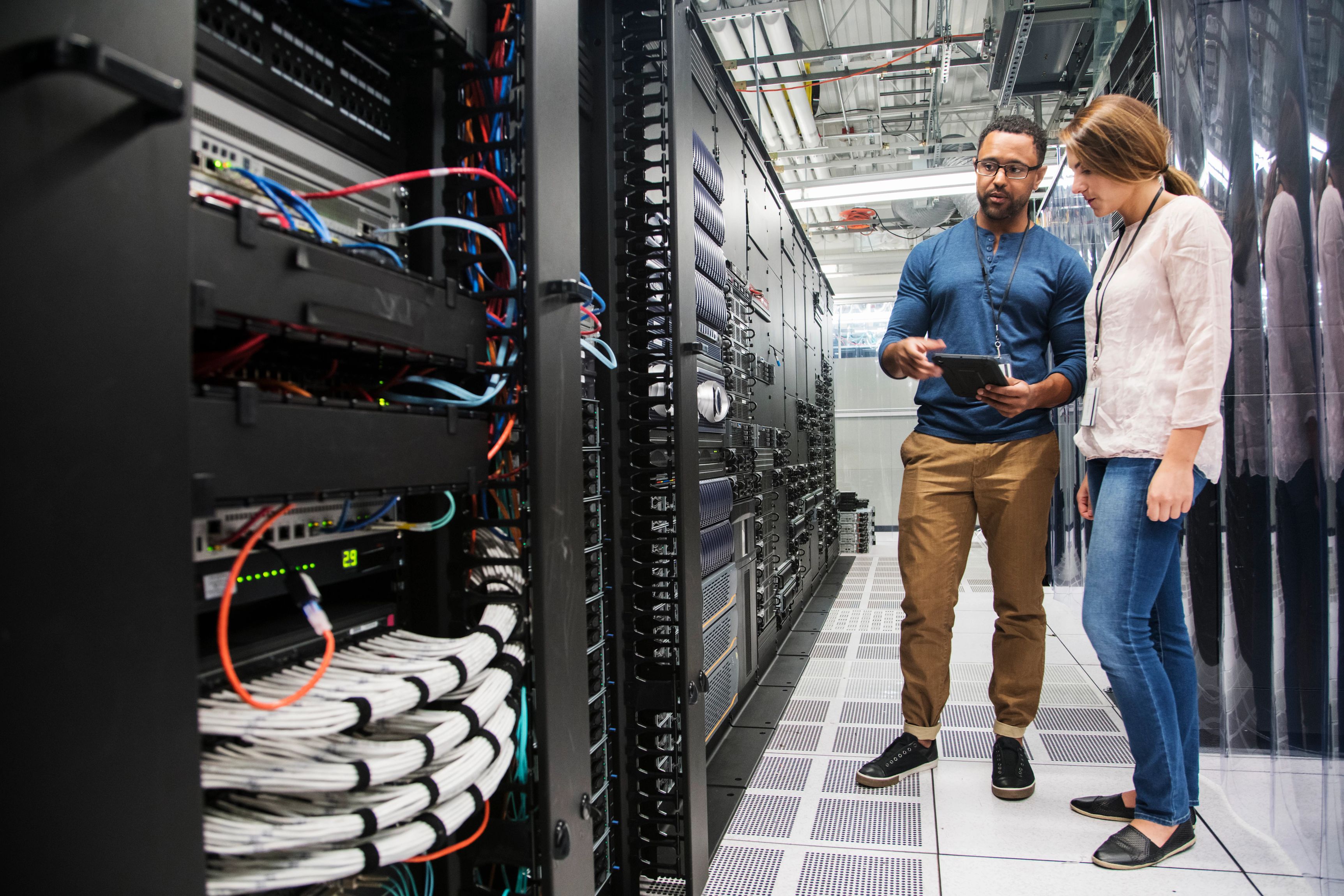
Choosing a physical security solution doesn’t solely fall on the shoulders of security professionals anymore. From information technology (IT) to security operations (SecOps) to facilities teams, more people are getting involved in physical security decisions.
BLOG
The challenge? All these teams come to the table with a focus on their own requirements and priorities:
- Physical security needs to streamline response and investigative tasks
- IT looks at data and network protection, along with maintenance efficiency
- SecOps focuses on cybersecurity, process automation, and data optimization
- Facilities and others are concerned about the secure and efficient use of real-estate investments, and they want to gain business insights
Because of this, end users will demand more from service providers, including channel partners, consultants, and technology vendors. They expect these providers to have a deeper understanding of cybersecurity, operations, data, and business automation. They’ll want more cohesive guidance to equip stakeholders with the right tools to achieve their goals.
We think this will create stronger industry-wide partnerships focused both on security operations and the practical application of business intelligence.
