


How video analytics improves operations and maintenance
Security video analytics is no longer limited to traditional surveillance. Video analytics tools are helping organizations enhance efficiency, safety, and maintenance.
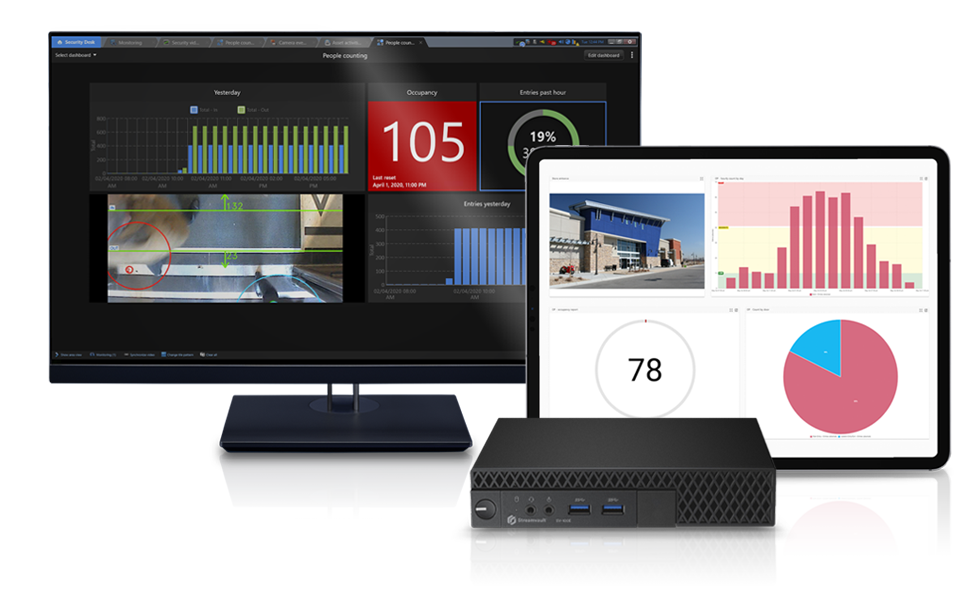
This post explores five ways you can improve operations and maintenance using intelligent video analytics.
EBOOK
 |
Enhance operational efficiency |
Automate tasks and save time
If you’re manually monitoring video feeds, you know it’s time-consuming and leads to mistakes. You can use video analytics to monitor video for specific events or patterns without constant human intervention. For example:
-
Transit authorities can monitor passenger flows to adjust schedules, reduce wait times, and reduce overcrowding
-
Logistics managers can track package movements to identify inefficiencies in supply chains
-
Healthcare organizations can monitor patient movements to proactively prevent falls and ensure timely medical interventions
“Using cameras to observe the patients in the ICU remotely allowed us to reduce the workload and help many more patients. It provided peace of mind that we could observe the patients from a distance and respond as quickly as possible when help was needed.”
- Hanneke Lopers, ICU Team Manager, Meander Medical Center
Optimize resources and lower costs
You can use video analytics for resource optimization. Predictive insights allow you to maximize your use of space and manage resources more effectively. For example:
-
Retail managers can use data on customer behavior to optimize store layouts and product placement
-
Airport managers can set HVAC systems to adjust temperature settings when crowds are detected, and they can assign more staff to ease passenger congestion
CHECKLIST
 |
Streamline equipment maintenance |
Boost system maintenance
You can use video analytics to monitor the physical health of surveillance cameras, reducing your need for dedicated maintenance staff. This reduces onboarding costs and prevents interruptions in the system’s operations—and, in extreme cases, the loss of relevant footage. For example:
-
Higher education institutions can use camera integrity analytics to immediately alert operators when a camera on campus has been tampered with
-
City security operators can use dashboards to track when cameras need repairs and dispatch crews to get them operational again
Enhance other maintenance tasks
Tracking your key equipment isn’t easy, especially when it’s spread out across huge warehouses or located in remote areas. Video analytics can help you be proactive instead of only checking on equipment when issues arise. Automated equipment monitoring helps you optimize resources and expedite repairs to avoid further damage. For example:
-
Industrial facilities can use cameras equipped with thermal imaging analytics to alert operators to overheating machinery, who can then dispatch maintenance crews to handle repairs
-
Utility managers can monitor pipelines and electrical grids for damage or wear to ensure timely maintenance and repairs, so everything keeps running without unexpected downtime
 |
Improve workplace safety and security |
Ensure employee safety
You can use video analytics for workplace safety by monitoring compliance with safety protocols and detecting hazardous situations in real time. Apply various security video analytics, from object detection to motion analytics, to make sure employees follow guidelines and work responsibly. This helps minimize accidents and ensures that you remain compliant with industry regulations. For example:
-
Construction site managers can monitor whether on-site workers are wearing proper safety gear
-
Manufacturing floor managers can receive notifications when personnel enter restricted areas or come too close to dangerous equipment, based on cross-line or motion detection
 |
Improve security with intelligent automation |
Video analytics now include intelligent automation. Using generative AI or natural language processing, they can analyze footage, spot patterns, and even suggest what to do next. Instead of relying on operators to watch every camera, the technology automatically flags incidents like someone hanging around where they shouldn’t, tailgating into a building, entering a restricted area, or leaving an object behind. This helps teams respond faster and use their time more effectively. For example:
- Intelligent automation can pull important moments from hours of video, surface key details, and let operators search footage using everyday language, helping them understand what happened and gather evidence faster
- Stadium and venue staff get real-time alerts if a suspicious item is left behind, so they can send someone to check it immediately and keep crowds safe
- Data center security teams are notified right away if someone approaches the perimeter, giving them time to act before a potential threat reaches critical areas
 |
Gain business intelligence |
Automate people counting
Video analytics deliver data-driven insights to help you make better decisions. For example, they allow you to optimize your operations by analyzing customer behavior, foot traffic, and use of space. Tracking how many people enter certain areas, such as stores, cafeterias, and meeting rooms, helps you understand how spaces are used. You can then make adjustments, whether that means expanding the space, adding new resources, or scheduling more staff. For example:
-
Healthcare organizations can set thresholds for occupancy in certain areas, such as emergency rooms or common waiting areas, so staff can intervene and disperse crowds to secondary areas
-
Financial institutions can identify the busiest days and times at bank branches to help inform staffing requirements, so customers never have to wait too long to handle their banking
Keep traffic moving
Maintaining the flow of vehicles is important in busy areas. Video analytics can help by alerting staff when vehicles start to back up at entrances or exits, so they can fix issues before they get worse. Once they receive alerts, personnel can open a ticket in a work management solution and easily dispatch on-foot workers to address potential issues faster. For example:
-
Highway authorities can quickly identify issues like stalled vehicles, minimizing accidents and maintaining traffic flow
-
Shopping security operators can get alerts when vehicles are parked in restricted areas or moving in the wrong direction, so they can intervene and get traffic flowing smoothly again
