


On-premises and cloud-based access control
Learn how on-premises access control compares to access control as a service (ACaaS) and why a hybrid deployment can be a good choice long term.

According to the 2026 State of Physical Security Report, access control is the #1 physical security technology that organizations plan to invest in this year. If that includes you, make sure to assess which deployment type best suits your organization’s needs, so you can get the most from your investment.
Both on-premises and cloud-based access control systems can be secure, enterprise-grade options. A hybrid-cloud solution can give you the best of both worlds. Keep reading to learn where each deployment type shines.
EBOOK
When is on-premises access control a good option?
With on-premises access control, your organization installs and manages all infrastructure and IT systems on-site. This approach gives you greater control over your data and system setup.
This option can work well for industries with strict regulations, like public safety, government, critical infrastructure, and energy and utilities. These sectors follow rigorous data regulations, so it's important to keep control of data at all times.
Here’s how your organization can benefit from an on-premises deployment:
✓ Fu ll control
A major benefit of an on-premises access control platform is full autonomy over infrastructure and data. This lets you tailor the system to your exact security policies and operational needs.
✓ Minimized risk
When systems stay on your physical premises, you can better protect sensitive data and reduce risks tied to external vendors. All access control data is stored within your network, reducing potential vulnerabilities.
✓ Customization
On-premises access control systems offer many customization options. You can adjust hardware, integrate software, and refine the user interface to match your workflows and compliance needs. Channel partners can help assess your needs and ensure the deployment meets your specifications.
What is ACaaS? When is it a good option?
Cloud-based access control solutions, also known as access control as a service (ACaaS), host software and data on cloud servers. This lets system administrators manage installations remotely, without relying on on-site infrastructure. Plus, software as a service (SaaS) comes with built-in security and regular updates.
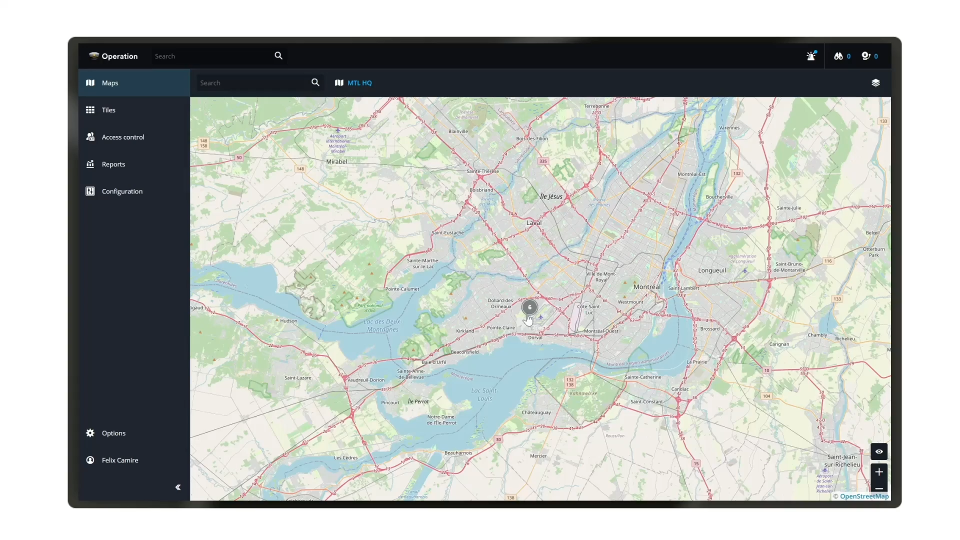
Here's why ACaaS solutions are gaining momentum:
Remote capabilities
Cloud-based systems let you manage your access control from anywhere with an internet connection. You can centralize multiple sites—whether they use on-premises or cloud systems—into a single solution for better consistency and efficiency.
This simplifies tasks like adding or removing users, updating permissions, and monitoring activity. It also improves visibility across your whole network of locations.
Reduced upfront costs and maintenance
Traditional on-site access control platforms often require large upfront investments and ongoing maintenance costs. Cloud-based solutions typically use a subscription model, which helps reduce upfront costs.
Plus, your access control software provider manages maintenance and updates, which lifts the burden of managing hardware and software and provides more predictable expenses.
Automatic updates
Cloud-based access control software receives regular updates from the provider. Your system stays current with the latest features and security protocols without manual work. This helps you improve security and maintain compliance with evolving industry standards.
Scalability
As your organization grows, your security needs change. Cloud-based access control infrastructure scales more easily, so you can add or remove users, doors, and locations with minimal effort and cost.
This flexibility means you can adjust your access control strategy and scale at your own pace. There’s no need to sacrifice performance, even as the number of devices and users increases.
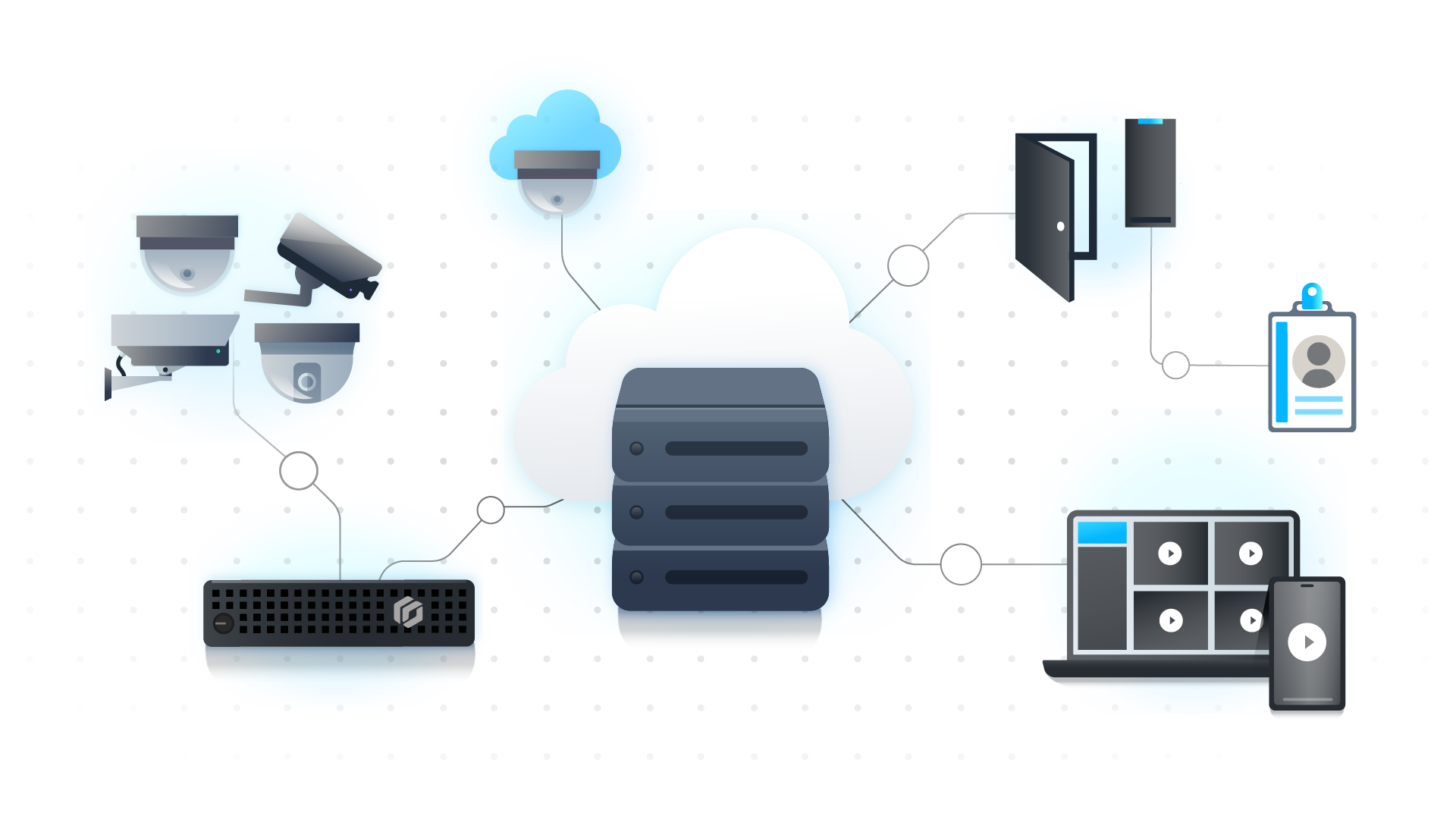
How a hybrid-cloud deployment offers the best of both worlds
Not ready to move all of your physical security infrastructure to the cloud? A hybrid deployment strategy can bridge the gap between on-premises and cloud-based access control solutions. It offers a flexible way to manage your security infrastructure and makes transitioning to the cloud easier.
With a hybrid approach, you can connect existing on-site systems with cloud-based applications to get the benefits of both environments. You can keep sensitive data on-premises while using the cloud for scalability and centralization.
As your organization grows, you can adjust resources, control costs, and maintain compliance with regulatory requirements. This makes a hybrid deployment a versatile option for many industries.
